
Where the wool begins
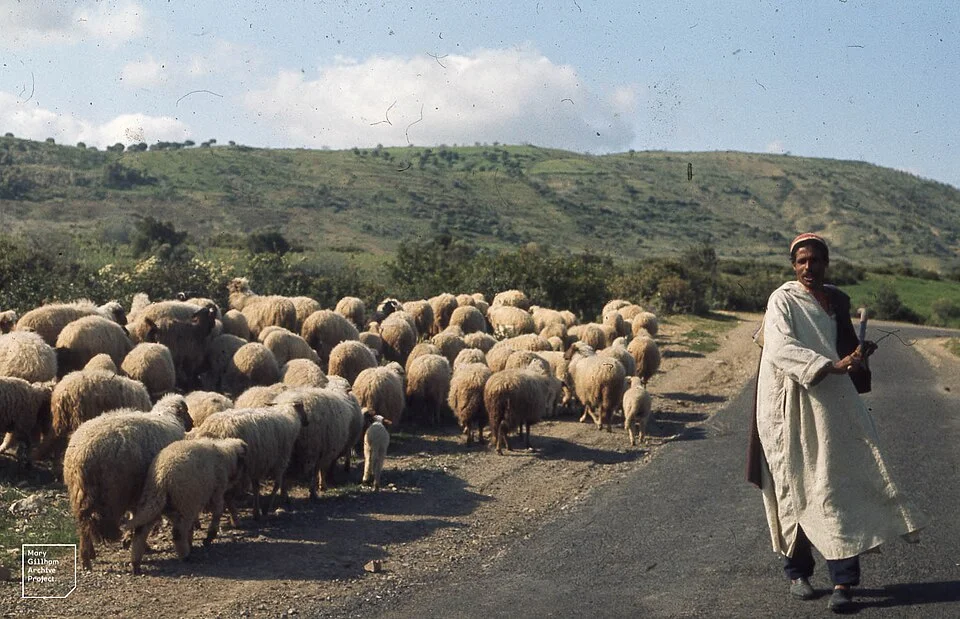
Before a rug is a rug, it is a hillside, a flock, and a long winter in the Middle Atlas. The story of every Azral piece starts here.
Every rug we make carries a place inside it. Long before the loom, before the first knot, there is a hillside above the town of Mrirt, high in Morocco's Middle Atlas, where the winters are cold enough to make wool worth growing thick. We drove up there for the first time on a family visit that started in Casablanca and slowly rearranged our lives. We had gone to see cousins. We came back knowing we wanted to build something around what we had seen on the way.
The mountains do half the work
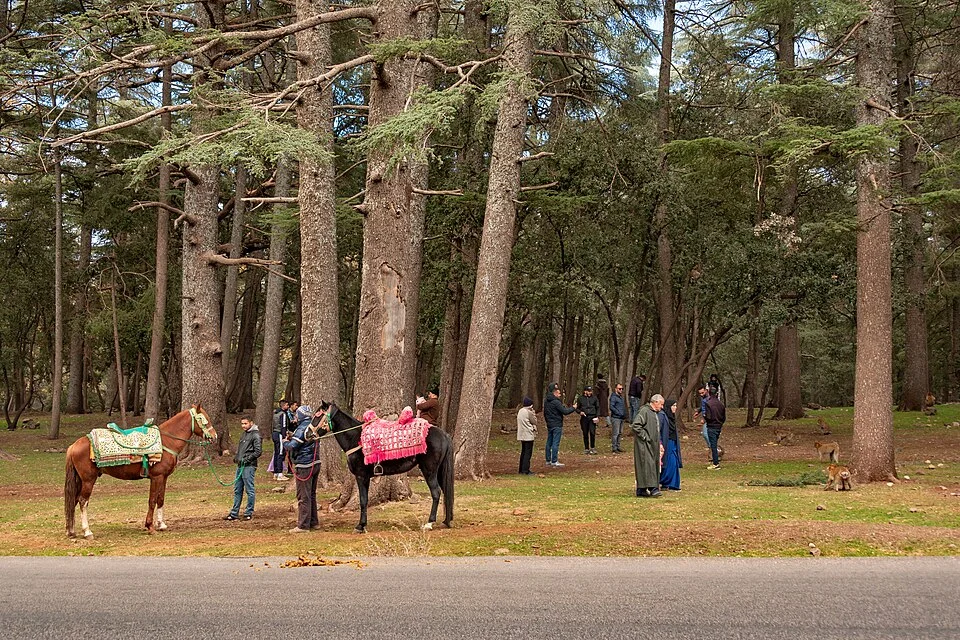
It is this cold that gives our wool its character. Sheep raised at altitude grow a denser, springier fleece, the kind that holds a deep pile underfoot and keeps its shape for a lifetime. Nothing about it is engineered. It is simply what the mountains ask of the animals that live there. Walking through the pastures above Azrou, past the cedar forest where the light gets thin and green, you understand why the wool here has always been prized. Winter is long, food is sparse, and the fleece grows in answer.
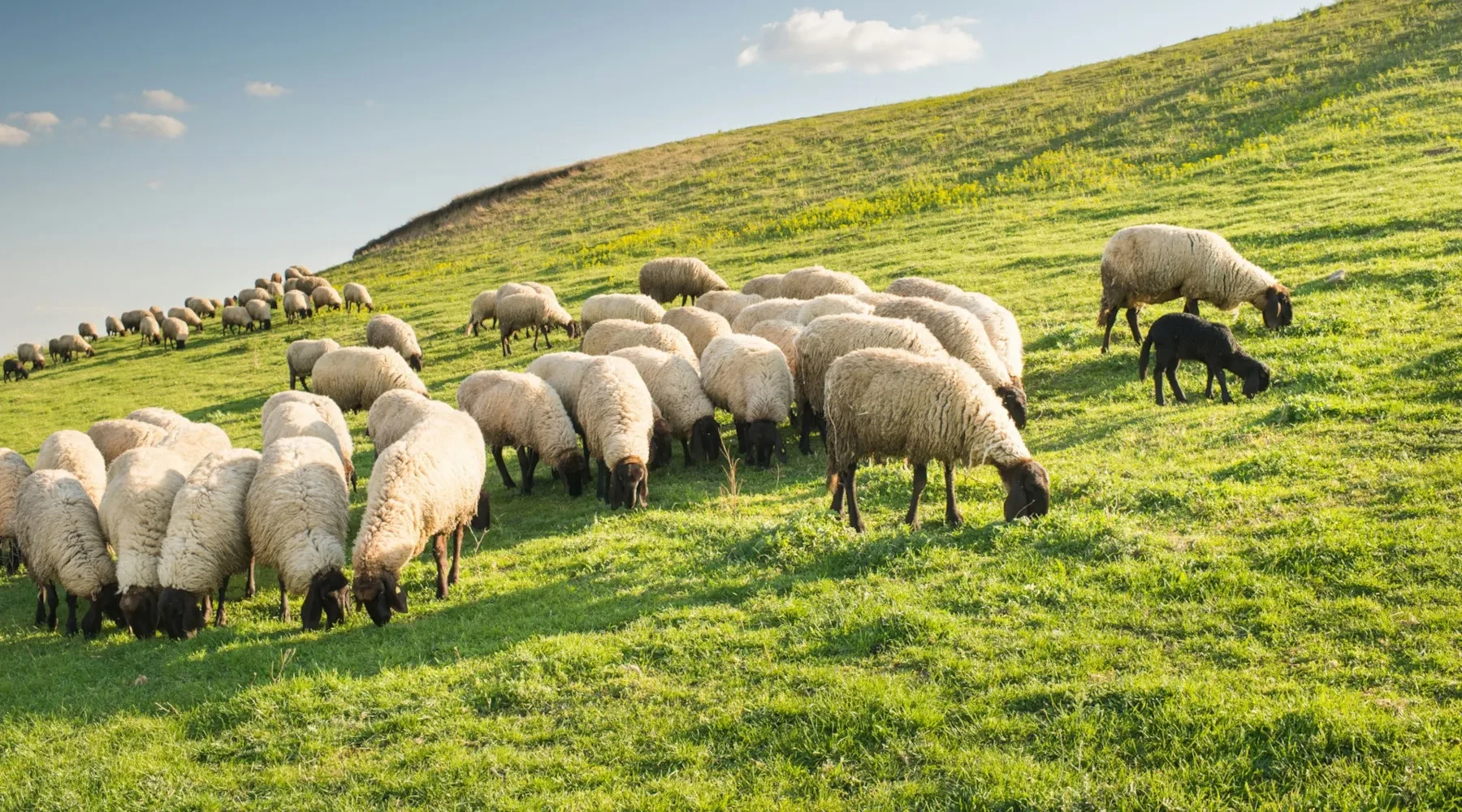
We spent an afternoon watching a small flock move across a slope with a shepherd who could not have been more than nineteen. He did not want to talk much. He pointed at one of the ewes, then at the sky, as if to say: this animal, in this weather, is why the wool is what it is.
Washed slowly, in cold water
When the wool is gathered, it is washed in spring water, combed, and hand-spun. We don't rush this part. The slowness is the point. It is how a fleece becomes a thread strong enough to last generations. The washing zone we use sits in a valley between Khenifra and Mrirt, a shallow bend in a river where the water runs cold enough to keep the natural lanolin intact rather than stripping it. A commercial mill would boil the fleece, break the fibre, and be done in hours. This takes days. The lanolin is the reason our rugs shrug off spills a decade in.
By the time a single thread reaches a weaver's hands, it has already travelled a long way through patient work. We think you can feel that, even before you know the story. If you ever want to trace it yourself, our Pure Heritage piece is the one we point people to first. It is the closest thing we make to putting the mountain under your feet.
For the longer version of how this fleece becomes a rug, from washing to knot to shear, our craft page walks through every step.