
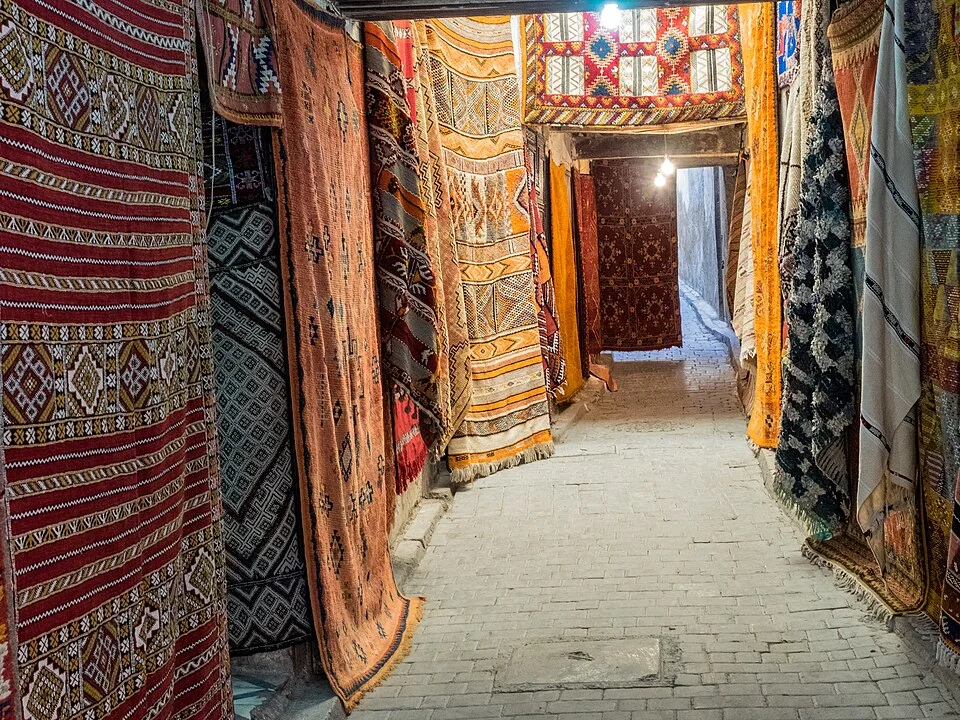
Are Moroccan Rugs Worth It? Price, Quality & What to Look For
A handwoven Moroccan rug is not a cheap object, and it is not supposed to be. This guide unpacks what actually drives the price of a real Mrirt rug, Woolmark-certified fleece, months of hand-knotting, natural dyes, fair wages for the Amazigh women at the loom, and then compares that to what you get from a machine-loomed rug at a quarter of the cost. We look at how a good wool rug ages (crushed synthetic pile after two years vs a wool pile that softens beautifully for twenty), how much value a made-to-order piece holds, and how to think about a Moroccan rug the way you'd think about a well-made piece of furniture rather than a seasonal accessory.
A handwoven Moroccan rug is not a cheap object, and it is not supposed to be. If you are trying to decide whether one is worth it, it helps to unbundle where the price actually goes and to compare that honestly with what a machine rug is doing for a quarter of the cost. We have been on both sides of this decision, as buyers before we were makers.
Where the price actually goes
The bill for a real Mrirt rug is mostly labor and material, in that order. Woolmark-certified fleece from mountain sheep. Sorting and washing by hand in cold spring water. Hand spinning. Natural dyeing with plants and minerals. Sixteen to twenty-two weeks of hand-knotting at a wooden loom by one weaver. Final washing, drying in mountain air, and hand shearing. Fair wages for the Amazigh women who make the rug. And then, finally, packing, shipping, and the small overhead of the two people writing this. If a rug costs a quarter of what ours does, at least one of those lines is missing.
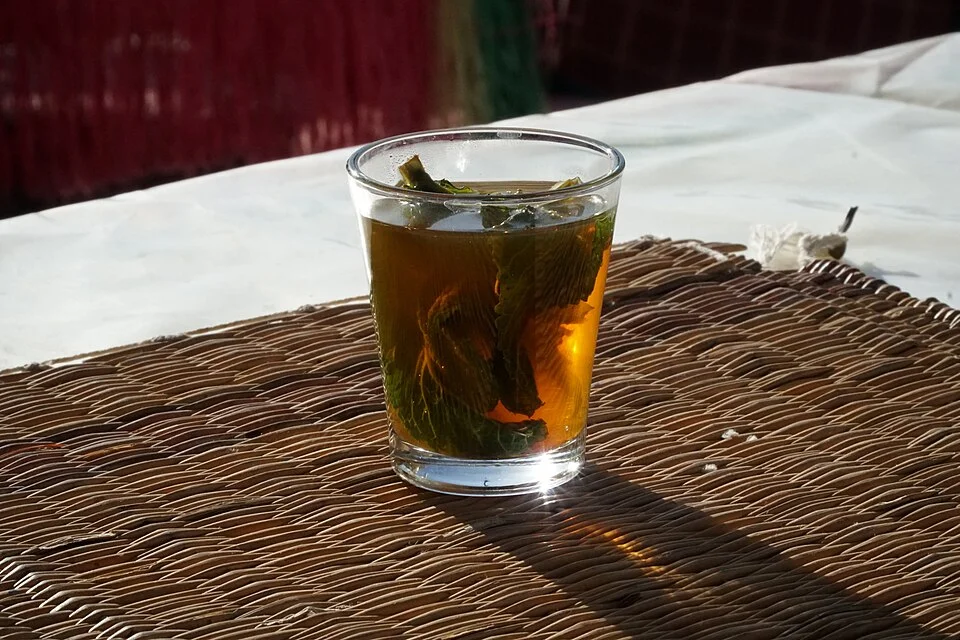
Wool versus synthetic, five years in
The most useful test is not day one but year five. A synthetic pile flattens under a coffee table, holds every spill, and starts to look tired within two winters. A pure wool pile springs back, releases most spills on its own, and softens without losing structure. In our own homes we have Azral pieces that get real daily traffic and still look like themselves years later; more on why on our craft page. This is what people mean when they say a wool rug ages, versus wears out.
How to think about the number
Compare a Moroccan rug to a piece of furniture, not to an accessory. A well-made wool rug outlasts the sofa it sits under. Divided across the twenty or thirty years it will spend on your floor, the annual cost is often lower than a cheap rug you replace three times in the same window. Add the resale and heritability, real hand-knotted wool holds value and can be handed down, and the math looks different again.
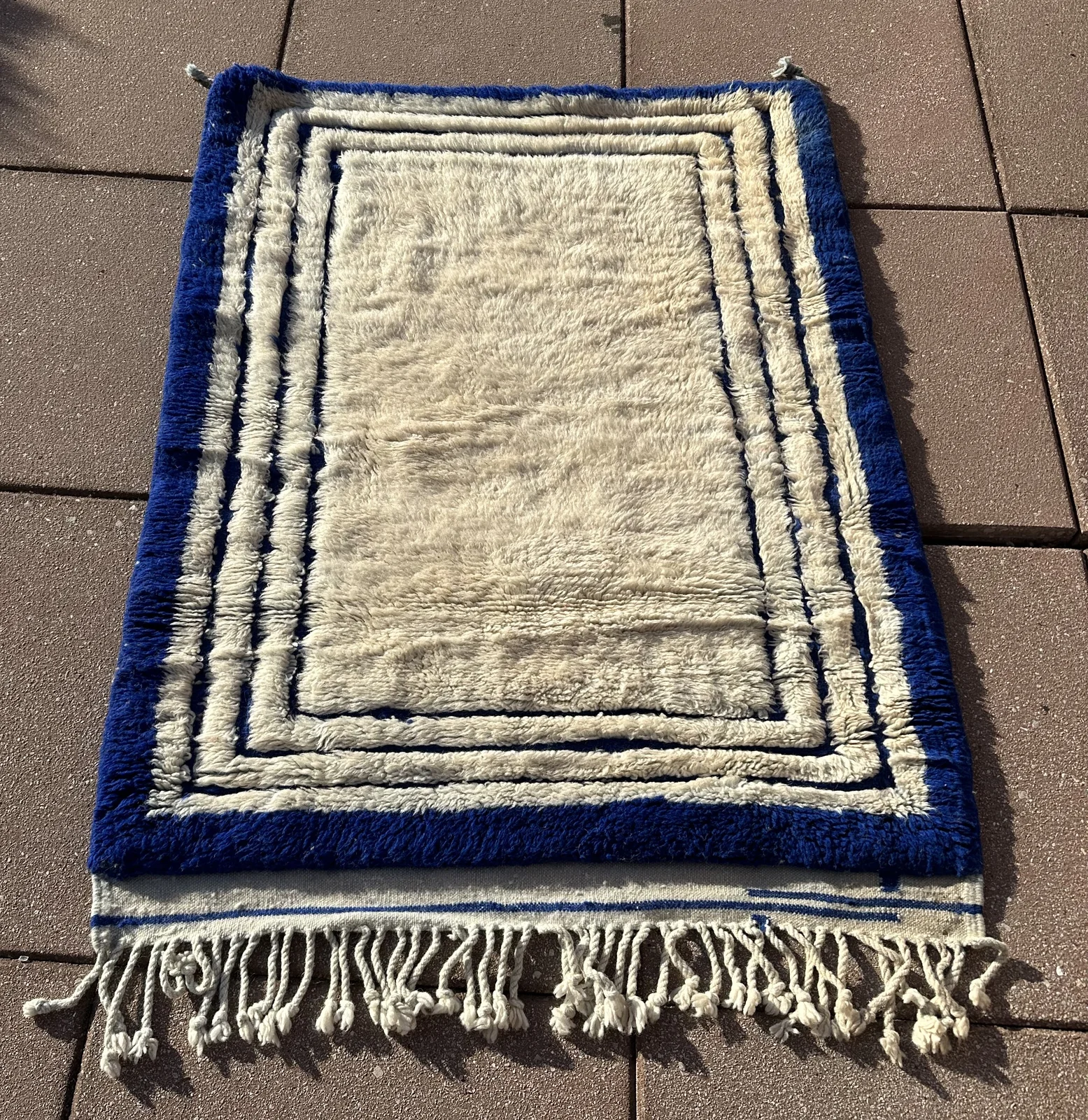
When it is not worth it
Honestly. If you rent short-term and move every year, if you keep pets who chew through everything, if you want a rug to change with next season's palette, a machine rug is probably the right answer. A handwoven piece is worth the money if you want an object that stays with you, that gets nicer with use, and that you would be a little bit sad to leave behind.
If you decide yes
Start with our collection to see the shapes and palettes we currently work in, or read Mrirt vs Beni Ourain if you want to understand what you are looking at before you commit. For a piece keyed to your dimensions and colors, our custom program is where most of our long-term customers start, and every rug we ship carries our lifetime guarantee and our free return promise, so nothing about this needs to be a leap of faith.