
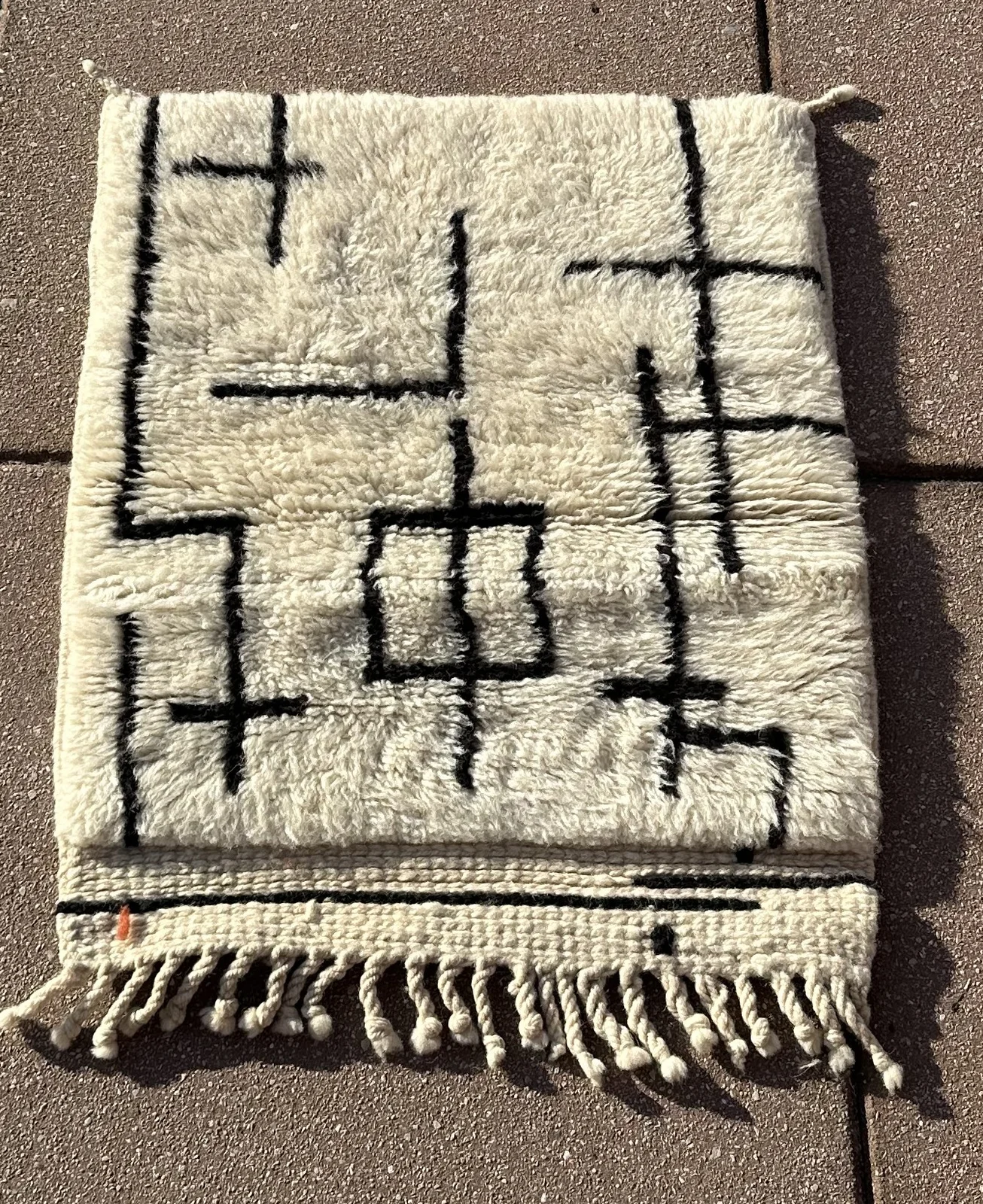
A language without an alphabet
The diamonds, zigzags and crosses in a Berber rug aren't decoration. They're a language, and once you can read it, a rug never looks the same.
Look closely at an Amazigh rug and after a while you stop seeing decoration. You start to see the same shapes returning: diamonds, zigzags, crosses, an eye, a comb. For centuries, Amazigh women have woven these symbols into wool as a way of speaking without writing, a private literature carried in cloth.
A vocabulary carried by hand
A diamond can stand for protection, or for the feminine, or for a wish to keep harm from a household. A zigzag is often water, or the path over a mountain. A cross can be a knot in the road, a warding sign, or simply a mark that the weaver's grandmother liked and would not let disappear. The vocabulary shifts from valley to valley, mother to daughter, tribe to tribe. There is no dictionary. There does not need to be one. The weaver knows, and the woman before her knew, and that is how the language stays alive.
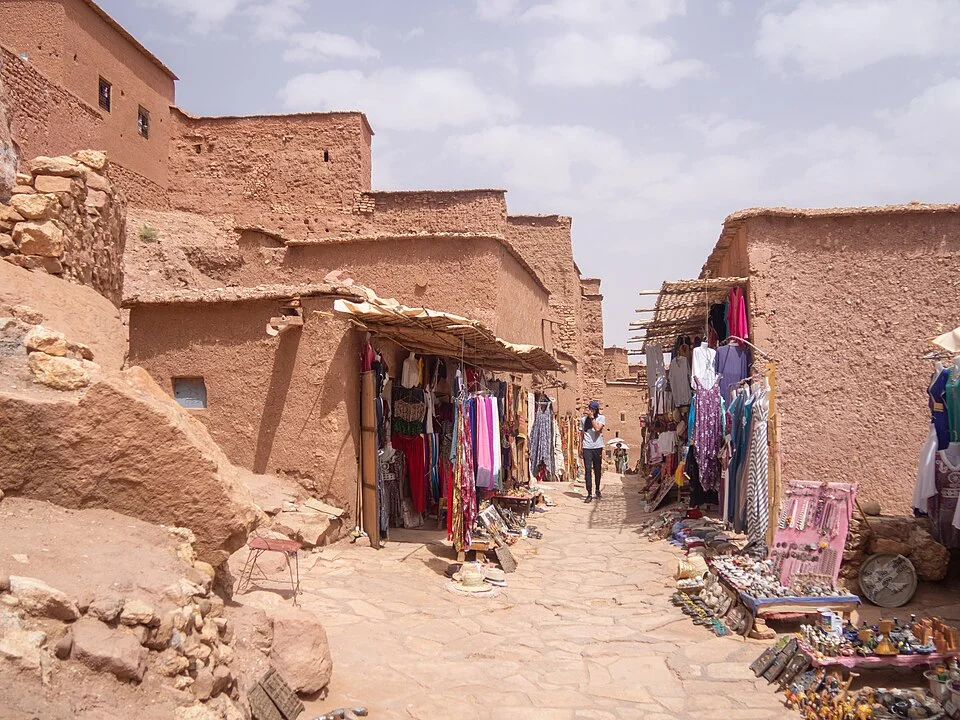
You see the same geometry everywhere in Amazigh built heritage. Walk through the ksar of Ait Benhaddou south of Ouarzazate and you find the diamonds and zigzags cut into the mud brick of towers that have stood for six hundred years. The wall answers the rug. The rug answers the wall. It is the same hand, working in different materials, saying more or less the same thing about the world.
Woven to be lived on
What moves us most is that these patterns were never meant to be looked at on a wall. They were made to be lived on. Walked over. Sat cross-legged upon while dinner was served. Slept beside in winter. The symbols sit close to the ground because the life they came from was close to the ground. That is worth remembering when you unroll one in a New York apartment or a Paris loft: the piece is not fragile, it does not want to be behind glass, it wants to be under a table with children on it.
When you choose a rug from our collection, you are choosing a few of these words to keep in your home. Diamond Heritage leans on protection motifs the weaver we work with grew up with. Sky Sword sets a single upward line against a calm ground, a mark her grandmother used to weave into pieces made for beginnings. You do not need to know exactly what any of it says. The weaver did, and that is enough. The pattern will do its quiet work whether you can read it or not.